







Search Results for: drought weather
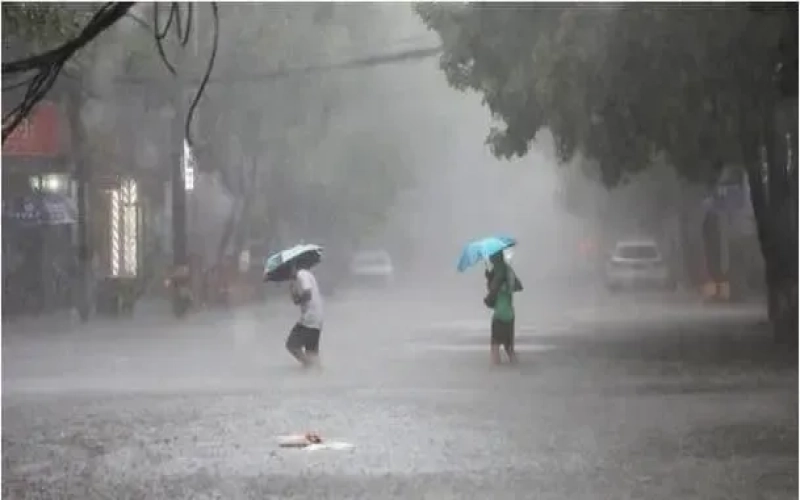
Extreme Weather and Pest Infestation Deal a Double Blow: Vietnam's Coffee Production May Continue to Decline
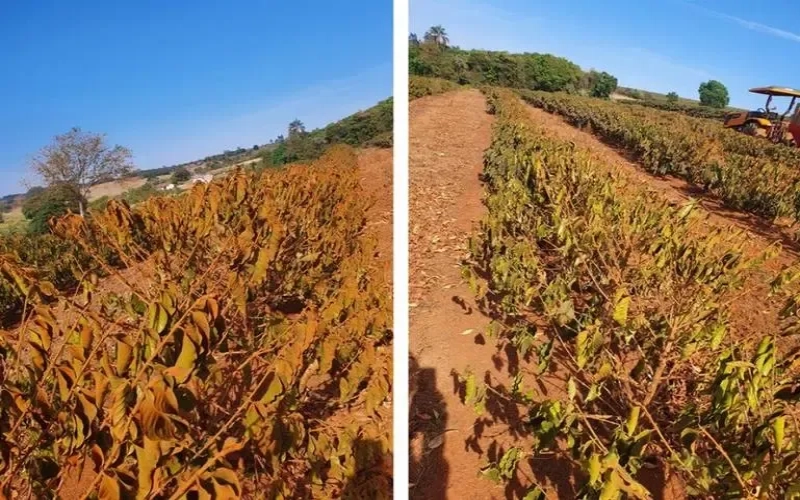
The World Meteorological Organization recently issued a warning that frequent extreme weather is severely impacting Asia. China, Dubai, and other places have been hit by torrential rains and floods, while South Asian countries such as Thailand, Laos, Vietnam, and Indonesia are mired in scorching heat, with temperatures in many areas exceeding 45°C. As a major global coffee-producing region, Vietnam's Robusta coffee is facing a double assault of drought and pests—reservoirs have dried up, irrigation water sources have been depleted, and cotton bollworms are spreading rapidly. Coffee farmers are being forced to increase irrigation frequency, yet have no water to use. Although rain is expected in May to ease the drought, the latest data from the International Coffee Organization show that global coffee exports grew 8.1% in March 2024, while coffee futures prices have continued to decline, creating a subtle contrast between production prospects and market trends. [more…]
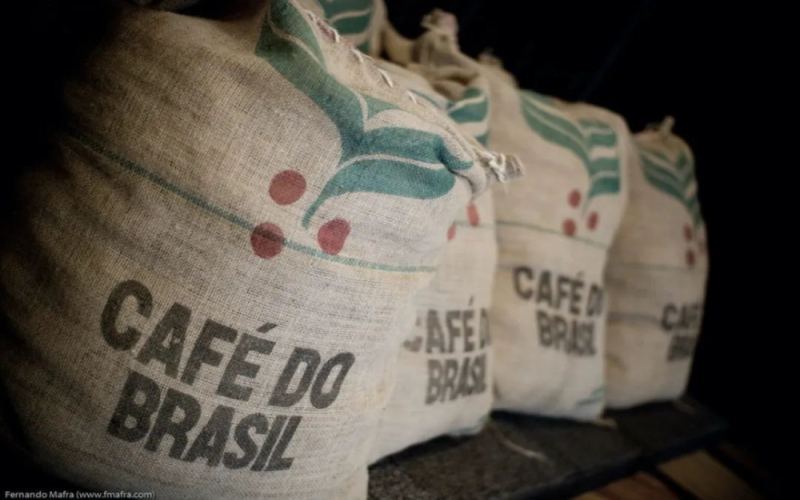
Brazilian Arabica Production Expected to Drop Over 10%, Drought and Extreme Weather Continue to Disrupt the New Crop Season
StoneX has released its first estimate for Brazil's 2025/26 coffee crop, projecting total production at approximately 65.6 million bags, a slight decrease of 0.4% from the previous year. Arabica is expected to decline by 10.5% to 40 million bags, while Robusta is forecast to increase by 20.9% to 25.6 million bags, though the gain in Robusta will not be enough to offset the shortfall in Arabica. The decline is mainly attributed to unfavorable weather in Minas Gerais and São Paulo: first severe drought, followed by storms and strong winds. Soil moisture deficit in Minas Gerais reached its second-highest level on record, with October rainfall far below normal, and future hot and dry conditions may continue to affect the fruit-setting stage. Meanwhile, improved rainfall in Espírito Santo is benefiting Robusta. The European Parliament's decision to delay EUDR implementation by one year also provides a buffer period for Brazil's coffee exports. [more…]
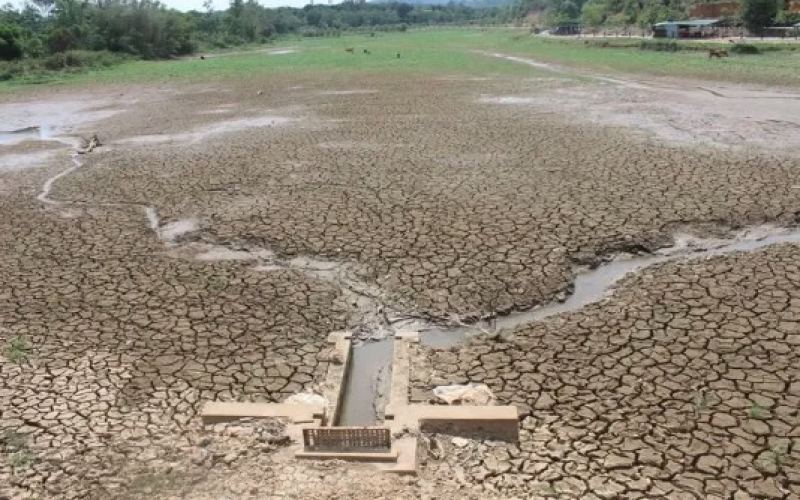
Vietnam is suffering from severe drought, and Vietnamese coffee may further reduce production.
Recently, the World Meteorological Organization warned that extreme weather occurs frequently, and climate change is having a heavy impact on Asia. At present, in some Asian countries such as China and Dubai and other cities, extreme weather such as [more…]
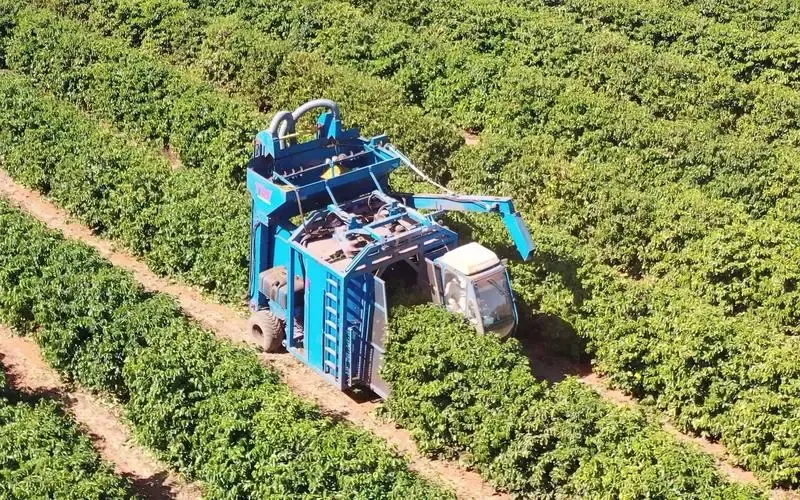
Brazil's coffee-growing regions face prolonged drought: harvest progress runs ahead of schedule, but yields are a concern, and prices are rising across the board.
Brazil is in the middle of its coffee harvest season, with 58% of the crop now gathered, ahead of the five-year average. However, although the hot, dry weather has favored picking, it has had a clear negative impact on coffee output: beans are smaller and yields are falling, and drought alerts have been issued in many areas. Production falling short of expectations has driven coffee prices steadily higher both in Brazil and abroad, with robusta and arabica futures posting sharp gains. The market is also worried that the coming La Niña phenomenon could deal a further blow to 2025/26 output. This article reviews the drought conditions in Brazil's various producing regions, the downward revisions to production, and price trends, and includes related recommendations from Front Street Coffee. [more…]
Robusta Futures Approach the $4,000 Mark: Vietnam Drought and Dry Weather in Brazil Continue to Pressure Supply
In April of this year, robusta coffee futures soared to a historic peak of $4,399 per ton, then briefly fell back to $3,440 per ton due to recovering export data from Brazil and Vietnam and rising ICE inventories. However, recently, weather issues in Brazil and Vietnam have shown no signs of improvement, and robusta futures for July delivery have surged again, currently quoted at $3,917 per ton, just a step away from the $4,000 mark. A Volcafe report predicts that Vietnam's robusta production for the 2024/25 season may drop to 24 million bags, the lowest in 13 years; Brazil's main producing regions have gone four consecutive weeks without rain, and new beans are smaller in size; the market is also concerned about the return of La Niña. With multiple factors overlapping, global robusta bean supply is expected to face a shortage for the fourth consecutive year. [more…]
Extreme heat sweeps across coffee-growing regions in multiple countries: Vietnam, Brazil, and Mexico see clear production declines, while Colombia bucks the trend with increased output
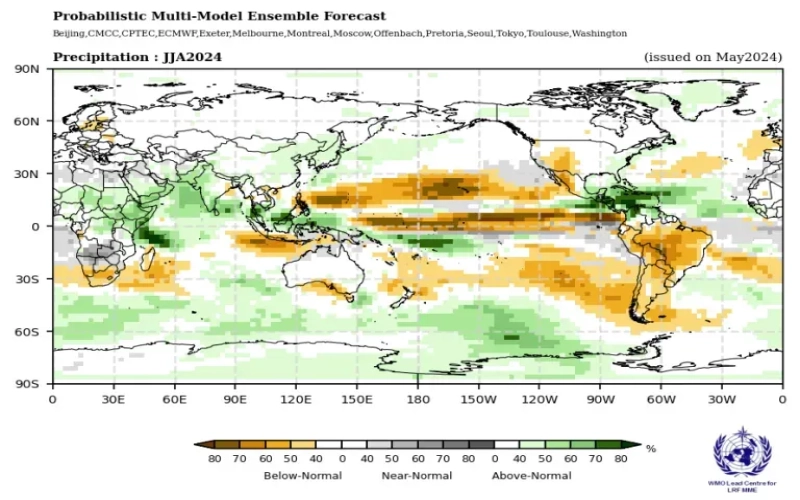
Since the start of summer, many countries around the world have experienced sustained high temperatures, with sea surface temperatures generally elevated outside the near-equatorial eastern Pacific and land temperatures rising accordingly, dealing a blow to agricultural production including coffee. Vietnam has suffered its worst drought in nearly a decade, with coffee trees severely damaged; Indonesia is still weighed down by last year's drought, reducing the volume available for export; Brazil's output has fallen short of expectations, and about 80% of Mexico's planted area has been affected, with production cuts expected to reach as much as 50%. At the same time, Colombia's first-half output hit a three-year high. The widening scope of production cuts pushed the ICO composite coffee price index up 8.9% month on month, and La Niña weather may further aggravate volatility. [more…]
Robusta prices remain stubbornly high as Vietnam's coffee industry is squeezed by both extreme weather and crop competition
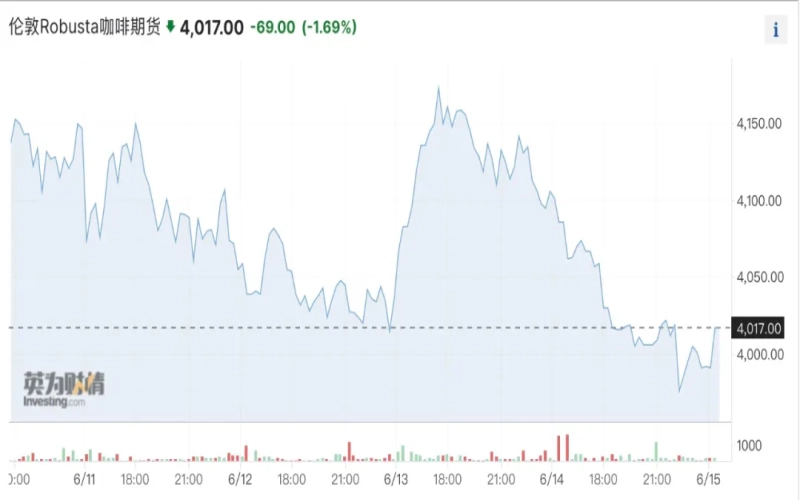
Vietnam, a major global robusta coffee-producing region, has recently suffered from prolonged high temperatures, drought, and insufficient rainfall, causing a marked decline in coffee production. Although high international coffee prices once encouraged farmers to expand planting, extreme weather has made cultivation exceptionally difficult. In the first five months of 2024, Vietnam's coffee exports fell by nearly 6% year-on-year, while robusta futures prices remained high at US$4,000 per ton, forcing some roasters to turn to Indonesia for procurement or choose to raise prices. At the same time, pepper prices have risen sharply, with returns far higher than those of coffee, which may prompt farmers to switch to pepper cultivation, and Vietnam's coffee-growing area may shrink in the future. Front Street Coffee will continue to monitor this shifting situation affecting the global coffee supply chain. [more…]
Extreme weather combined with labor loss puts Central America's coffee industry under pressure, pushing up international prices
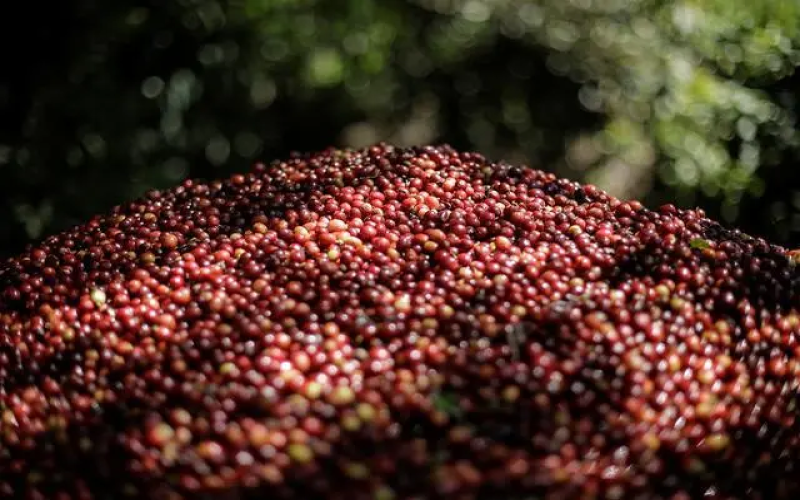
The coffee industries of several Central American countries have recently encountered multiple challenges. In Costa Rica, unstable rainfall and labor shortages are expected to cause a production decline of about 13% in the 2023/24 season. In Nicaragua, affected by El Niño, drought persisted until mid-May, political factors have led to large-scale emigration, and labor shortages threaten harvest quality. The drought crisis at the Panama Canal remains unresolved, shipping costs are rising, and labor protests have delayed coffee harvesting. Together, these multiple factors are keeping coffee prices at high levels. [more…]
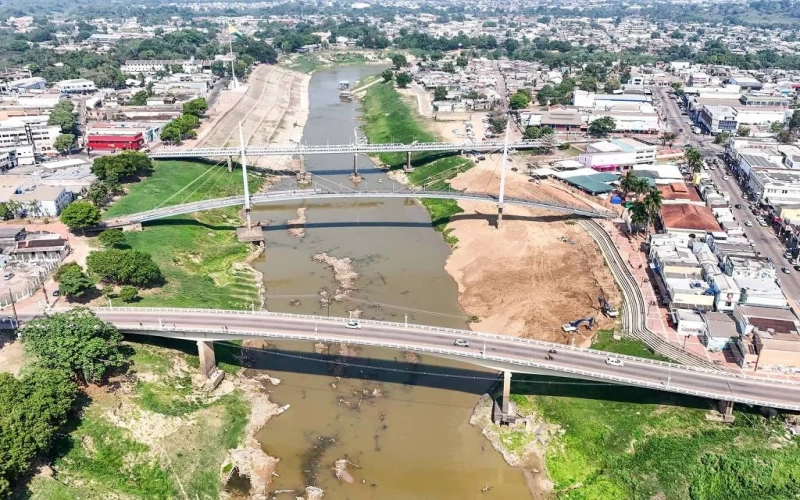
Drought in Brazil continues to intensify: over three thousand cities affected, coffee and other crops face pressure of reduced yields
Brazil's National Meteorological Agency recently issued a warning that the central region of the country will continue to experience dry conditions with little rain, and the dry season is more severe than in previous years. Currently, more than 3,000 cities are in varying degrees of drought, with over a thousand cities facing extreme or severe drought. Acre, Amazonas, and many other places have declared states of emergency, with frequent fires, falling river levels, and poor harvests of major agricultural products such as coffee. Brazil's largest coffee cooperative, Cooxupe, pointed out that many producing regions have gone more than three months without rainfall, and August rainfall is still expected to be zero. Coffee farmers are pinning their hopes on the return of rain when the dry season ends in September to October, but La Niña may once again disrupt the weather and threaten coffee production in the next crop season. Affected by this, international coffee prices remain high, and many European and American manufacturers have announced price increases. Front Street Coffee will continue to monitor developments in Brazilian producing regions and trends in the coffee market. [more…]
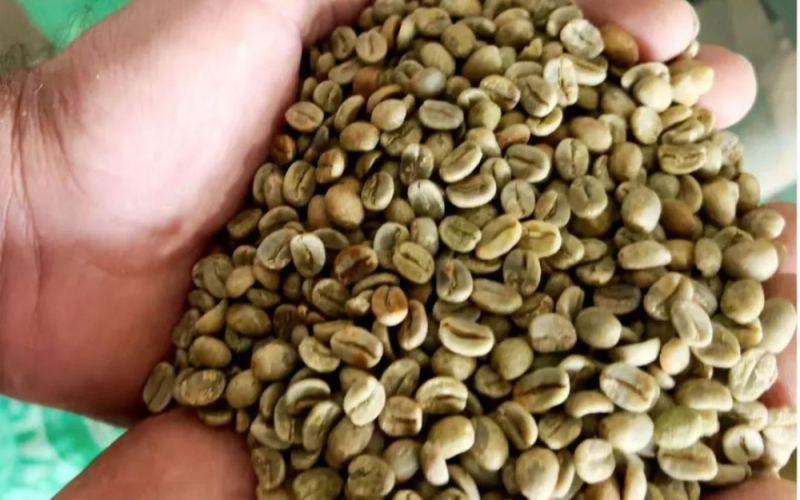
Brazilian coffee spot prices hit a 26-year high, with drought weather and tariff policies putting dual pressure on the market
As the world's largest coffee producer, Brazil has recently seen its domestic coffee spot prices soar to their highest level in nearly 26 years. Affected by drought and high temperatures, coffee production has fallen sharply, and compounded by the threat of a U.S. port strike and uncertainty over tariff policies, the market supply outlook is becoming increasingly unclear. This article will review Brazil's coffee price trends, the damage in producing regions, disagreements over production forecasts, and the multiple effects of macroeconomic factors on the coffee market, helping readers gain a comprehensive understanding of the complex situation currently facing Brazil's coffee industry. [more…]
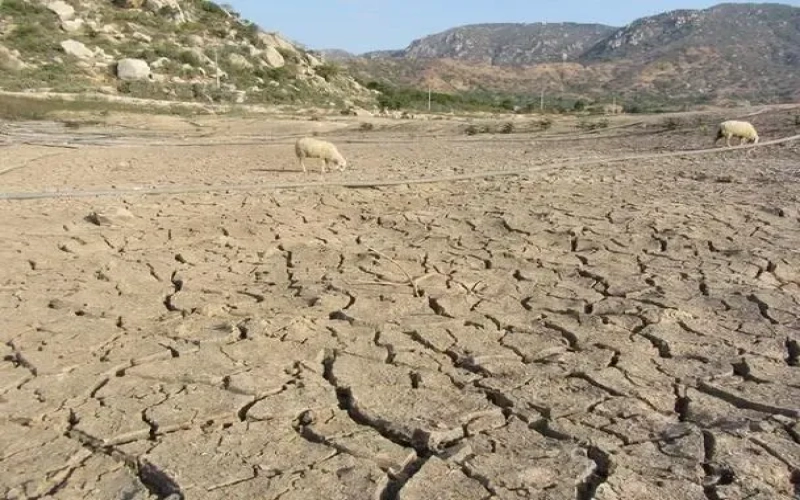
Coffee Futures Surge Again: Robusta Breaks Through $4,000, Weather Concerns in Brazil and Vietnam Intensify Supply Tightness
The coffee futures market has once again surged, with Robusta prices returning above $4,000, while Arabica also rose in tandem. Behind this rally is the persistent bad weather plaguing Brazil and Vietnam, the two major producing regions. Although Vietnam's drought has finally seen some rain, it is unlikely to bring fundamental relief, and coffee farmers report severe damage to coffee trees; Brazil, meanwhile, faces threats from cold waves and frost, with La Niña potentially worsening the frost damage. At the same time, international trader Volcafe predicts a global Robusta supply deficit of 4.5 million bags. Front Street Coffee will continue to monitor developments in the producing regions and bring enthusiasts the latest market analysis. [more…]
Brazil's coffee exports are gaining strong momentum, but drought and a dengue fever outbreak could weigh on the new crop season and sales outlook.
Recently, Brazil's coffee exports have shown strong performance, but extreme weather and a dengue fever outbreak are casting a shadow over the upcoming crop season. In Minas Gerais, the main Arabica-producing region, rainfall has been only 16% of the historical average, and drought is threatening production. Meanwhile, dengue fever cases have surged past 1.8 million, with multiple coffee-growing regions entering a health emergency, which could lead to a shortage of harvest labor. In addition, the probability of La Niña has risen to 62%, potentially bringing frost disasters. Although coffee sales for the 2023/24 season are progressing well, pre-sales for the 2024/25 season are slow, at only 11%, far below the same period last year. Coffee farmers are strongly reluctant to sell, and the market's wait-and-see atmosphere has intensified. Front Street Coffee reminds enthusiasts to pay attention to developments in the producing regions and to view price fluctuations rationally. [more…]
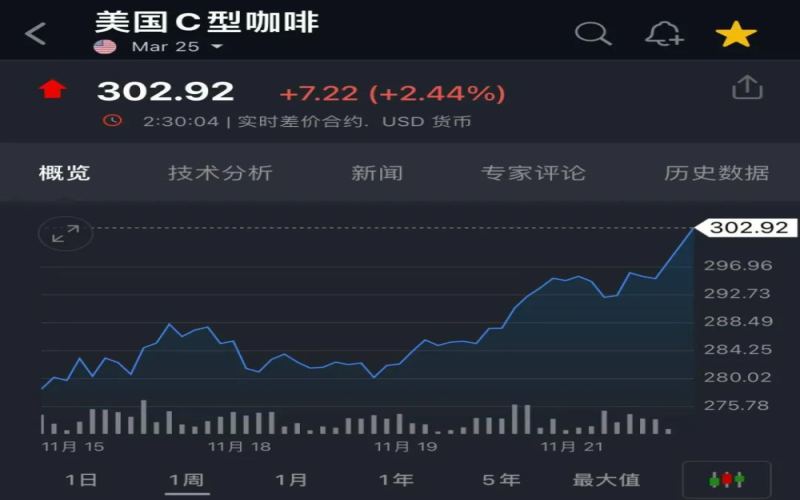
Coffee futures break through 300 cents to a 13-year high, with Brazilian drought and tight inventories as the main drivers
Recently, U.S. C-type coffee futures prices have been climbing steadily, breaking through the 300 cents per pound mark, touching an intraday high of 303.93 cents, and finally closing at 302.92 cents, setting a new 13-year record and simultaneously driving Robusta coffee futures higher. The core driver of this rally comes from the USDA Foreign Agricultural Service (FAS) sharply lowering its forecast for Brazil's 2024/25 production to 66.4 million bags, a 5% reduction from the previous USDA estimate of 69.9 million bags. Combined with multiple factors including Brazil experiencing its worst drought since 1981 and inventories shrinking 26% year-on-year, market concerns over global coffee supply continue to intensify. Producing countries such as Honduras have also seen reduced output due to adverse weather, further exacerbating the tight supply situation. [more…]
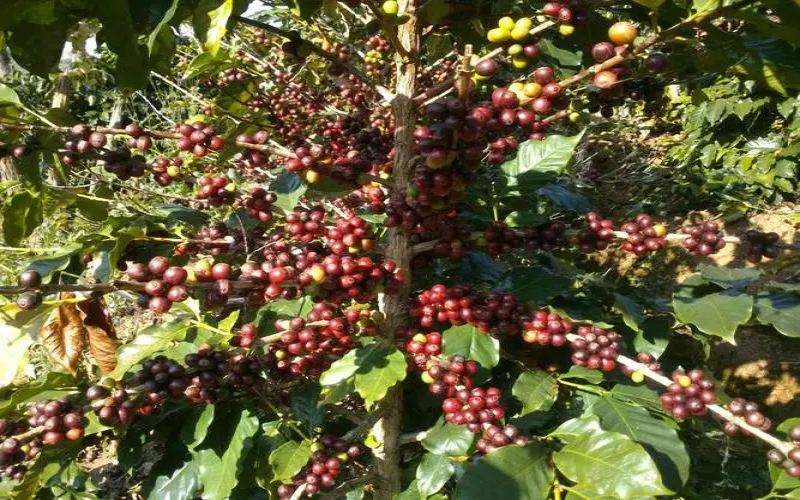
Global Coffee Supply Landscape Shifts: Arabica Prices Fall, Robusta Remains High Due to Vietnam Drought
The global coffee market has recently shown divergent trends. According to International Coffee Organization data, global coffee exports have increased year-on-year, with improved Arabica supply driving prices down, while Robusta remains firm or even hits historic highs due to persistent tight supply amid drought in Vietnam. Colombia's production is recovering after three years of decline, and Brazil's Arabica-producing regions have seen improved rainfall with upward revisions to production forecasts, but its Robusta-producing regions face high temperatures and scarce rain, leaving future output still to be observed. This article will review the specific data and weather impacts across the three major producing regions of Vietnam, Colombia, and Brazil to help coffee enthusiasts grasp the supply and demand logic behind current price fluctuations. [more…]
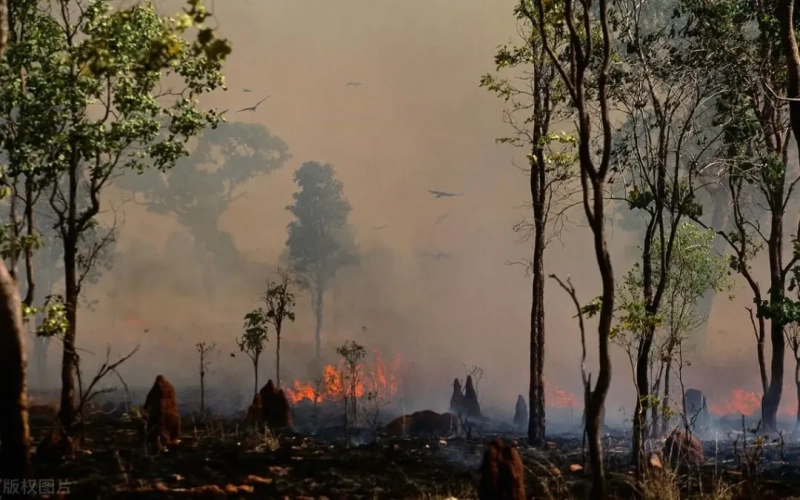
La Niña Arrives in Succession: Global Coffee Production and Prices Face New Variables
The lingering effects of El Niño in 2023 have not yet subsided, and La Niña may make a comeback in the summer of 2024, leaving global coffee-producing regions caught in a double bind of extreme weather. Drought during Brazil's flowering period, water shortages on Vietnam's highlands, coexisting floods and droughts in Africa, and the threat of hurricanes in Central America—the production outlook for major growing regions is shrouded in uncertainty. At the same time, rising demand for Robusta in European and American markets, combined with reduced output in several producing countries, has already triggered sharp fluctuations in international coffee prices. This article will examine how climate is disrupting the coffee supply chain and analyze the key variables shaping price trends in the second half of the year. [more…]
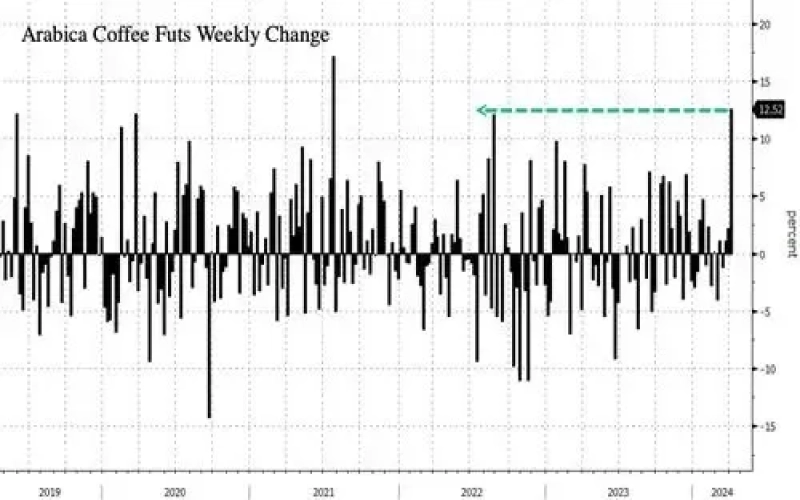
Robusta Futures Approach the $4,000 Mark as Extreme Weather and Geopolitical Risks Weigh Heavily on Coffee Supply
The global coffee market is once again experiencing price fluctuations. Arabica and Robusta coffee futures have rebounded after a brief decline, with the July 2024 Robusta contract touching $3,975 per tonne at one point, approaching the psychological threshold of $4,000. Behind this rally are not only tightening supply caused by ongoing droughts in Brazil and Vietnam, the two major producing countries, but also the new threat potentially posed by La Niña weather, while tensions between Israel and Iran have added further uncertainty to transportation costs. Local traders in Vietnam are accelerating their rush to buy coffee beans, with purchase prices having soared to more than 110 million Vietnamese dong per tonne, while Brazilian Robusta spot prices have also broken through the 1,000 reais mark for the first time. With multiple factors intertwined, coffee prices may continue to face pressure in the short term. [more…]
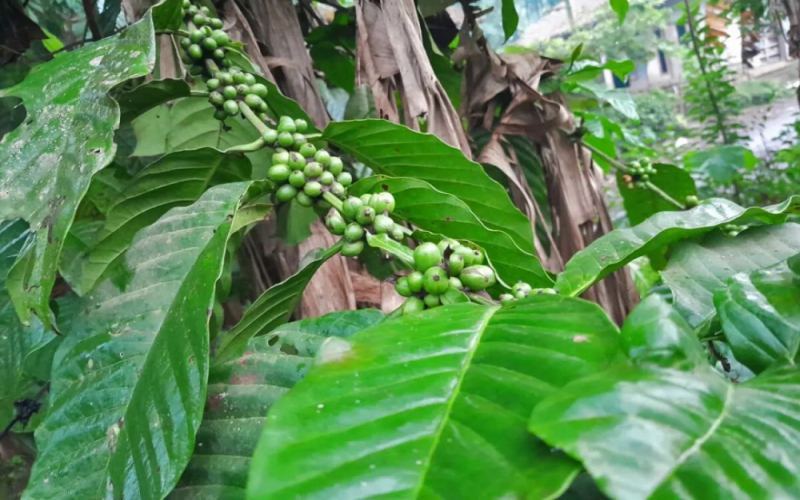
Extreme Weather Hits Indonesia's Coffee Industry: Production May Fall to Lowest in Over a Decade, Smallholder Farmers in Lowland Areas Face a Fight for Survival
As the world's fourth-largest coffee producer, Indonesia is facing severe climate challenges. From the relentless downpours brought by La Niña to the severe droughts triggered by El Niño, extreme weather has alternately battered coffee-growing regions, causing poor development of coffee flowers, withered leaves, and worsening pests and diseases. Industry insiders predict that Indonesia's total coffee production this season will plummet to less than 10 million bags, the lowest level in more than a decade. Smallholder farmers in low-altitude growing regions are bearing the brunt, with some even facing the prospect of a total crop failure. At the same time, soaring rice prices have prompted the government to encourage farmers to switch to rice cultivation, while the slow renewal of coffee trees further constrains any recovery in production capacity. Climate change could also lead to a sharp reduction in Indonesia's land suitable for coffee cultivation. Front Street Coffee will continue to follow subsequent developments in this growing region. [more…]
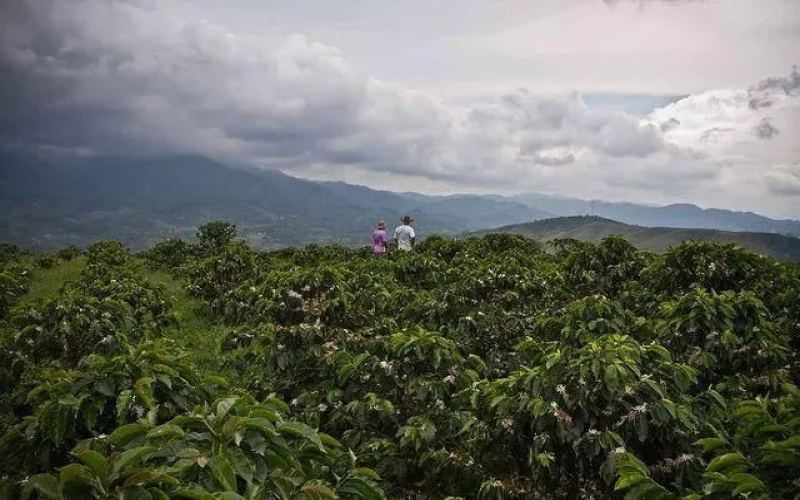
Colombian coffee exports to China gain strong momentum amid production recovery and extreme weather challenges
In recent years, Colombian coffee has performed increasingly well in the Chinese market. According to the country's media, China is expected to become Colombia's sixth-largest coffee export destination by the end of the year, and may even rise to second place in the future. In 2019, China ranked only 18th, but by 2023 it had jumped to sixth, with exports reaching 540,000 bags. At the same time, Colombia's coffee industry is gradually recovering from consecutive production declines, with output in the 2023/24 season expected to grow by 15%, though challenges such as drought, wildfires, and armed conflict remain. This article will review the latest export data, market prospects, and industry conditions, and include relevant recommendations from Front Street Coffee. [more…]
How Does Climate Change Impact Assam Tea Gardens? Micro-Level Yield Data Reveals the Critical Influence of Short-Term Weather Fluctuations
Assam is the world's largest tea-producing region, contributing one-fifth of global output and half of India's tea, and supporting about 1.2 million workers. Yet disruptions to rainfall and temperature patterns are putting this land under growing pressure—droughts in Africa, intense rainfall erosion in India, and the accelerating melting of Himalayan glaciers are all sounding alarms at the macro level. But what truly affects each tea leaf is often a more micro-level climate variable. A study based on 82 tea gardens spanning 2004 to 2013 reveals how short-term weather fluctuations directly influence yields. This article will walk you through these findings and what adaptive measures tea gardens can take. Front Street Coffee has always paid attention to the long-term impact of climate change in producing regions on the flavor in the cup. [more…]
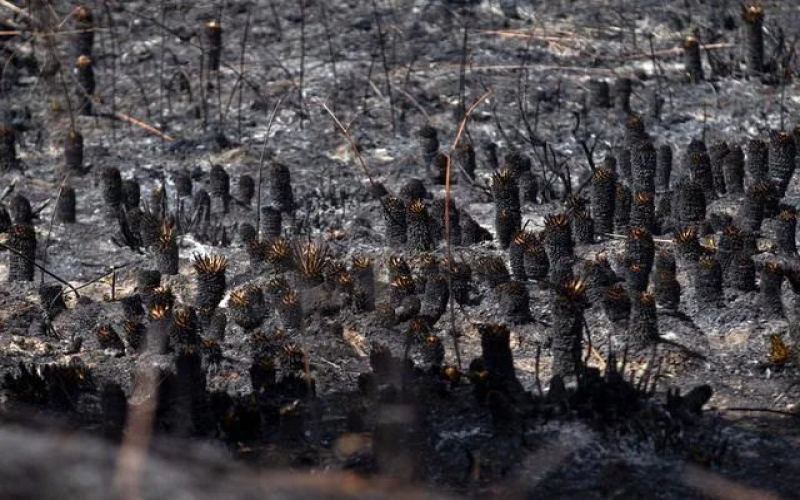
South America Hit by Dual Blow of Drought and Wildfires: Colombia's Coffee Production Declines, Inventories Dwindle, Exports Under Pressure as Prices Rise
A drought and forest fires lasting for months are sweeping across South America, and Colombia has not been spared. Forests in many places have been burned, water sources are running dangerously low, the water level of the Amazon River has plummeted, and Cauca Department has suffered its worst fires in nearly three decades, with large numbers of coffee crops damaged. Water rationing policies have left coffee farmers in a dilemma: insufficient irrigation affects yields, while exceeding water limits brings fines. The latest data show that Colombia's coffee production had fallen to 1.05 million bags in August, with inventories down 7.2% month on month. As the world's third-largest coffee-producing country, declining output and inventories are pushing up international coffee prices. [more…]